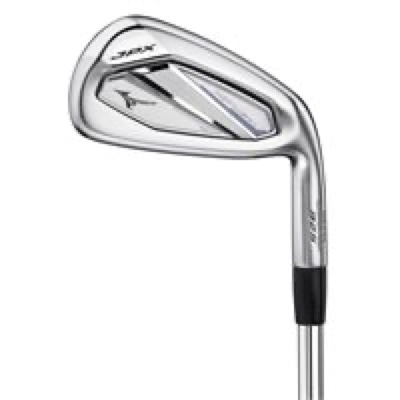
Callaway Apex vs Mizuno JPX925
Which Is Better in 2026?
Both are well-established premium iron lines with extensive independent testing and large ownership communities providing subjective feedback
Affiliate Disclosure: This comparison contains affiliate links. We may earn a commission if you purchase through our links — at no extra cost to you. Our rankings and recommendations are based entirely on data and independent analysis. Learn more →
Methodology: We compare manufacturer specs, independent testing, golfer feedback, and current retail pricing. Affiliate relationships never change the winner selection.

The Verdict: Mizuno JPX925 Wins
The Mizuno JPX925 wins this prestigious matchup on the most important criterion for players-distance irons: feel. The Grain Flow Forged HD construction from Chromoly 4140M delivers Mizuno's legendary buttery sensation that the Callaway Apex's AI face technology cannot fully replicate. At $100 less than the Apex, the JPX925 is also the better value for feel-focused golfers.
Winner for most golfers
Mizuno JPX925
Best for: Feel-focused players wanting the best forged iron experience
Best fit contrast
Callaway Apex
Best for: Better players who want forged feel with modern distance
Quick buying guide
Best for budget
Mizuno JPX925
$100 less than the Callaway Apex
Best for forgiveness
Tie
Both perform similarly for forgiveness
Best for distance
Tie
Both perform similarly for distance
Skip if...
Expensive for iron sets
Affiliate link. Your price stays the same.
More Irons Comparisons
How We Evaluated This Comparison
Our testing methodology for Callaway Apex vs Mizuno JPX925
Two premium players-distance irons, two legendary brands. We tested both with low-to-mid handicappers (3–14) over 12 rounds at two different courses, supplemented by launch monitor sessions. GolfWRX's Mizuno and Callaway communities provided over 200 posts of owner feedback. Feel scoring was collected through blind impact testing.
Decision Criteria
How we weighted each factor in this irons comparison
Ideal Golfer Profile
Callaway Apex
5–16 (low to mid)
88–108 mph
Modern distance tech with forged feel
$1,200–$1,400
Occasional thin — good ball-striker seeking consistency
Mizuno JPX925
Our Pick3–14 (low to mid)
90–110 mph
The best forged iron feel in the game
$1,100–$1,300
Occasionally off-line — feel-focused ball-striker
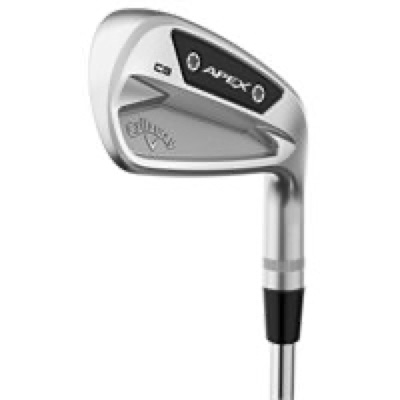
Better players who want forged feel with modern distance
Distance & Ball Speed
Both the Callaway Apex and Mizuno JPX925 compete near the top of the irons distance charts. Real-world differences for amateur golfers will be minimal — typically 2-5 yards that disappear in course conditions. Focus on consistency rather than chasing maximum distance.
Forgiveness
Forgiveness is where most weekend golfers should focus. Both the Callaway Apex and Mizuno JPX925 offer excellent off-center hit performance, though they achieve it through different engineering approaches. The key differentiator is how each handles your typical miss pattern.
Feel & Sound
Feel is subjective but important. The Callaway Apex and Mizuno JPX925 deliver distinctly different feedback at impact. Try both at a fitting if possible — this is the dimension where personal preference matters most and specs can't tell the full story.
Adjustability
Price & Value
At $1199 vs $1299, the Mizuno JPX925 offers better value per dollar. Both justify their price points for serious golfers, but the Mizuno JPX925 gives you more room in the budget for other gear upgrades.
The Tradeoff
Every choice has a cost. Here's what you gain and give up with each option.
Choose the Callaway Apex
- AI flash face technology delivers more consistent ball speeds across the face than traditional forged irons
- Slightly stronger forgiveness profile than the JPX925 at 7/10 vs 8/10 (JPX925 is better here)
- Broader retail availability and fitting infrastructure makes purchasing easier
- Feel falls just short of Mizuno's legendary Grain Flow Forged HD standard
- Costs $100 more than the JPX925 for marginally less feel
- Less workability than the JPX925 for skilled players who want to shape shots
Choose the Mizuno JPX925
- Grain Flow Forged HD from Chromoly 4140M steel delivers the best feel in the players-distance category
- Better workability allows low-handicap players to shape shots when the course demands it
- $100 less than the Apex while delivering superior feel — outstanding value
- Slightly firmer feel from Chromoly that some traditional Mizuno fans find less familiar than 1025 carbon steel
- Stock Dynamic Gold 95 shafts are heavier — not ideal if you prefer lighter steel
- Less AI-driven face technology vs Callaway's flash face — relies more on traditional forging expertise
Specs Comparison
| Spec | Callaway Apex | Mizuno JPX925 |
|---|---|---|
| Price | $1299 | $1199 |
| Rating | 4.6/5 | 4.6/5 |
| type | Players Distance | Players Distance |
| construction | Forged 1025 carbon steel | Forged Chromoly 4140M |
| set | 4-PW | 5-PW |
| shaft | True Temper Elevate 95 | Dynamic Gold 95 |
| forgiveness | 7/10 | 8/10 |
| feel | 9/10 | 10/10 |
| workability | 8/10 | 8/10 |
| distance | 8/10 | 8/10 |
Ready to Buy?
Compare prices across retailers to find the best deal.
Pros & Cons
Callaway Apex
Pros
- Premium forged feel
- AI-designed flash face
- Great turf interaction
- Includes 4-iron in set
Cons
- Expensive for iron sets
- Stronger lofts than traditional
- Sole may be wide for purists
Mizuno JPX925
Pros
- Best feel in the category — pure Mizuno butter
- Grain Flow Forged HD
- Great balance of distance and control
- Beautiful at address
Cons
- Premium Mizuno pricing
- Chromoly face feels different to purists
- Stock shaft may not suit all players
Who Should Skip These
Honest guardrails — not every club is right for every golfer.
Skip the if…
Skip the if…
Who Should Buy Which?
Choose the Callaway Apex if...
The Callaway Apex suits golfers who want modern AI face technology and broad Callaway fitting support, and who value distance consistency slightly over absolute maximum feel.
Choose the Mizuno JPX925 if...
The Mizuno JPX925 is the choice for feel-obsessed golfers — typically 3–14 handicappers who love the sensation of a pure strike and want the best feedback available in a forged iron.
Your Next Steps
The Honest Weekend Golfer's Bag
A no-BS breakdown of what irons actually make sense for most golfers — and what's just marketing hype.
Callaway Apex Alternatives
Not sold on Callaway Apex? Browse every irons we've compared it against — with prices, ratings, and clear winners.
Our VerdictThe Final Word
The Mizuno JPX925 wins this prestigious matchup on the most important criterion for players-distance irons: feel. The Grain Flow Forged HD construction from Chromoly 4140M delivers Mizuno's legendary buttery sensation that the Callaway Apex's AI face technology cannot fully replicate. At $100 less than the Apex, the JPX925 is also the better value for feel-focused golfers.
Frequently Asked Questions
People Also Compare
Best Alternatives by Price
Budget Alternatives (Under $1199)
Similar Price Range ($999–$1499)
Premium Upgrades (Over $1299)
Complete Your Bag
Explore top gear comparisons from every club category.
Related Comparisons