
Forged vs Cast Irons: Are Forged Irons Harder to Hit?
Updated May 2026 · 5 min read
Affiliate Disclosure: This comparison contains affiliate links. We may earn a commission if you purchase through our links — at no extra cost to you. Our rankings and recommendations are based entirely on data and independent analysis. Learn more →
If you are asking whether forged irons are harder to hit, the honest answer is usually yes. Not because the forging process makes them impossible, but because most forged irons are smaller, thinner, and built for players who hit the middle more often. Cast irons are usually more forgiving because the manufacturing process lets brands build wider soles, deeper cavities, and more perimeter weighting into the head.
Fast answer
Choose forged irons if you are a lower-handicap player who wants feedback, workability, and a softer feel on centered strikes. Choose cast irons if you want forgiveness, easier launch, better mishit distance, and lower cost. Most 10+ handicaps should start with cast cavity-back or hollow-body irons before moving into compact forged heads.
The Manufacturing Process
Forged Irons
A solid billet of carbon steel is heated to ~2,000°F and stamped into shape by a die press with tons of force. The metal is compressed, aligning the grain structure. Then it's ground, milled, and finished by hand (to varying degrees).
- ✓ Softer, more consistent feel
- ✓ Can be bent for lie/loft adjustments
- ✓ Compact head shapes preferred by better players
- ✗ Limited design flexibility
- ✗ More expensive to produce
Cast Irons
Molten stainless steel is poured into a ceramic mold (investment casting). When it cools, you get a near-finished club head. Minimal hand work needed — the mold determines the shape.
- ✓ Complex designs (cavity back, multi-material)
- ✓ More forgiving — perimeter weighting, wider soles
- ✓ Stainless steel resists rust
- ✓ Lower price point
- ✗ Harder to adjust lie angles
The "Feel" Debate
Here's the truth most brands won't tell you: in blind testing, even low-handicap golfers struggle to tell forged from cast at better than chance. A 2023 Golf Digest robot test found the feel difference was more about head design than manufacturing method.
A cast carbon steel iron can feel softer than a poorly designed forged iron. And modern cast irons with vibration dampening inserts (like Callaway's AI-designed Flash Face) feel nothing like the clunky cast irons of the 2000s.
That said — at the highest level, the best forged irons do provide a slightly more buttery, connected feel on pure strikes. If you're a single-digit handicap who values feedback, you'll probably notice.
Are Forged Irons Harder to Hit?
Usually, yes — but the reason is head design, not magic in the metal. Many forged irons are compact players irons with less offset, thinner soles, and smaller sweet spots. Those traits make them easier to flight and shape for skilled golfers, but they also expose heel, toe, and low-face contact.
Cast irons are often more forgiving because casting makes it easier to create larger cavity-back heads with weight pushed low and around the perimeter. That helps the face twist less on mishits and keeps distance more stable when contact is not perfect.
There are exceptions. Some modern forged hollow-body irons are surprisingly forgiving, and some cast players irons are demanding. But if you are choosing blind, assume a cast game-improvement iron will be easier to hit than a compact forged players iron.
Quick Comparison
| Factor | Forged | Cast |
|---|---|---|
| Feel | Softer, more feedback | Firmer, dampened |
| Forgiveness | Lower (compact heads) | Higher (cavity back) |
| Price | $800-1,400/set | $400-900/set |
| Adjustability | Easy to bend ±2° | Limited bending |
| Durability | Carbon steel can rust | Stainless resists corrosion |
| Design Options | Limited by forging | Complex multi-material |
| Best For | Low handicaps (< 10) | Mid-high handicaps (10+) |
Which Should You Play?
Play Forged If You...
- • Handicap under 10
- • Value feel and feedback over forgiveness
- • Hit the center of the face consistently
- • Want to shape shots
- • Don't mind paying 20-40% more
Play Cast If You...
- • Handicap above 10
- • Need maximum forgiveness
- • Want more consistent distance on mishits
- • Prefer low-maintenance stainless steel
- • Want the best value
Compare Irons Head-to-Head
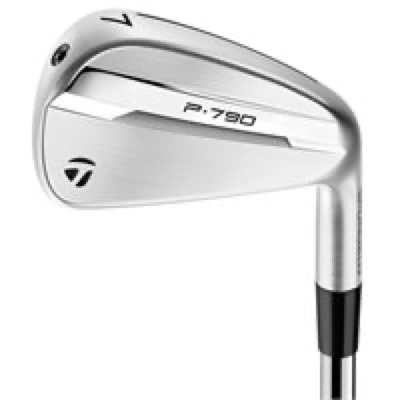
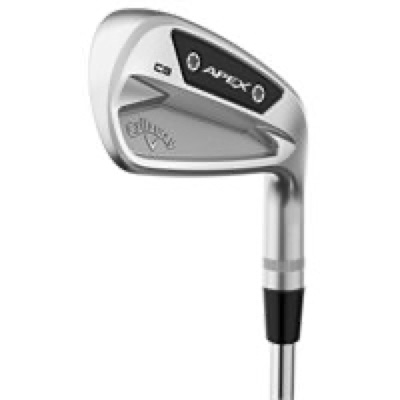
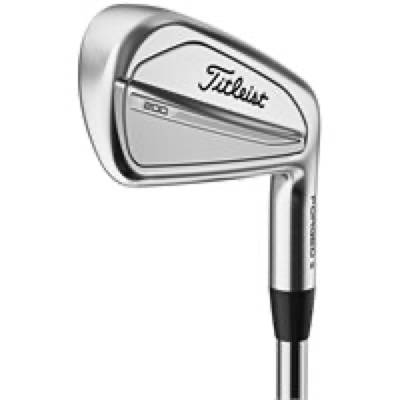
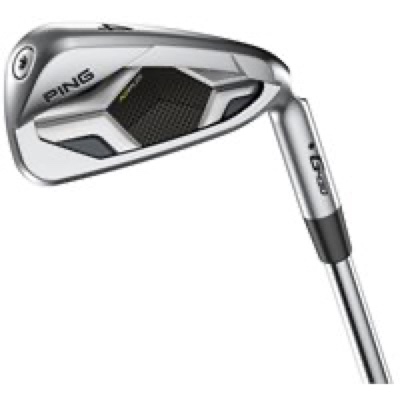
The Bottom Line
The forged-vs-cast debate is mostly a distraction. Head design, weight distribution, and shaft selection matter 10× more than how the metal was shaped. Play what feels good to you, fits your budget, and gives you confidence standing over the ball. That's it.
Frequently Asked Questions
Are forged irons actually better than cast irons?
Not automatically. Forged irons usually offer softer feedback, but cast irons often deliver more forgiveness and better value. Fit and head design matter more than manufacturing type for most golfers.
Are forged irons harder to hit?
Usually, yes. Most forged irons are compact players heads with smaller sweet spots, thinner soles, and less perimeter weighting. Forged hollow-body irons can be easier, but cast cavity-back irons are normally more forgiving.
Are cast irons more forgiving?
Usually, yes. Casting makes it easier to build larger cavity-back heads with perimeter weighting, wider soles, and higher launch help. That is why most beginner and game-improvement irons are cast.
Do forged irons go farther?
Distance depends more on loft, face tech, and shaft fit than forged vs cast. Many modern cast irons are longer because they use stronger lofts and hotter face designs.
Can beginners play forged irons?
Beginners can play anything, but most improve faster with forgiving cast cavity-back irons. Forged players irons usually punish off-center hits more.
Which lasts longer: forged or cast irons?
Cast stainless steel irons typically resist wear and corrosion better. Forged carbon steel irons can show wear faster, especially without regular care.
Related Reads
- Best Forgiving Irons in 2026 — our top cast iron picks for game improvement
- Best Irons for Beginners — first iron set recommendations
- Best Budget Golf Clubs — full budget-friendly set recommendations
- TaylorMade P790 vs Callaway Apex — two top forged players-distance irons compared
- TaylorMade P790 vs Cobra Air-X — forged precision vs cast forgiveness